Professional man in suit jacket smiles confidently.

Gavin McInnes

ASX Listing: A Guide to Issuing a Prospectus & Managing Liability

The company must issue a prospectus (or with ASX’s agreement, an information memorandum if the company is undertaking a compliance listing without raising capital) before it can be listed on ASX.

When an offer of new securities is made to Australian retail investors, a prospectus (which has been lodged with ASIC) must be issued to investors.

A prospectus (or other disclosure document) is also required for secondary sales of previously issued securities in certain circumstances.  The “on-sale” provisions contained in the Corporations Act (which impose this disclosure requirement) are intended to prevent companies or sellers from avoiding the prospectus requirements by issuing or selling their shares to sophisticated and professional investors only (who do not ordinarily require a disclosure document) only for those purchasers to “on-sell” those shares to retail investors.


Choosing the Right IPO Vehicle and Offer Structure for Your ASX Listing

A proprietary company cannot issue or offer to sell shares to the public or retail shareholders. In this respect, it will be necessary for a proprietary company to convert to a public company before an IPO.  Alternatively, a new public company could be established to be the IPO vehicle and to own the shares in the proprietary company.
It will be important to determine early in the process which entity will be listed. This will depend on a number of factors

How to Raise Capital with Disclosure: Prospectus & ASIC Rules

In order to raise capital, companies issue securities which may includes shares, debentures, and options to acquire shares and debentures. The Corporations Act 2001 (Cth) requires that disclosure to be made, subject to the certain exemptions, where an offer is made. If there is a failure to disclose in accordance with the provisions or where material misstatements or omissions have been made, issues surrounding civil and criminal liability may arise.

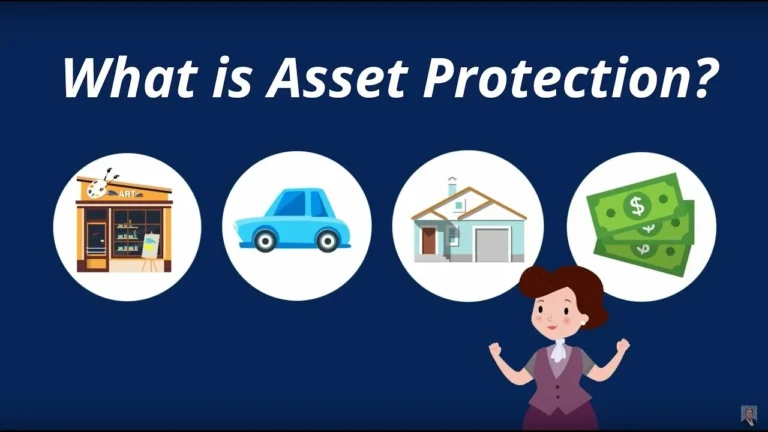
What is Asset Protection? Strategies for Australian Business Owners

Asset protection is the practice of safeguarding the value of one's assets from potential threats such as legal action, bankruptcy, and financial hardship. Asset protection is the adoption of strategies to guard one's wealth. Asset protection is a component of legal & financial planning intended to protect one's assets from creditor claims.
Individuals and business entities use asset protection techniques to limit creditors' access to certain valuable assets while operating within the bounds of debtor-creditor law. Protecting your assets means putting in place legal strategies that will safeguard your wealth in the unfortunate event of a lawsuit or creditor claims.

How to Use & Disclose Personal Information under the Privacy Act

APP entities must ensure that they comply with all requirements relating to the use and disclosure of personal information.
The use of personal information occurs when an APP entity handles and manages that information within the entity’s effective control. This includes accessing and reading personal information, making a decision based on personal information and passing personal information from one part of the entity to another.