Gavin McInnes

Gavin McInnes

How to Raise Capital with Disclosure: Prospectus & ASIC Rules

In order to raise capital, companies issue securities which may includes shares, debentures, and options to acquire shares and debentures. The Corporations Act 2001 (Cth) requires that disclosure to be made, subject to the certain exemptions, where an offer is made. If there is a failure to disclose in accordance with the provisions or where material misstatements or omissions have been made, issues surrounding civil and criminal liability may arise.
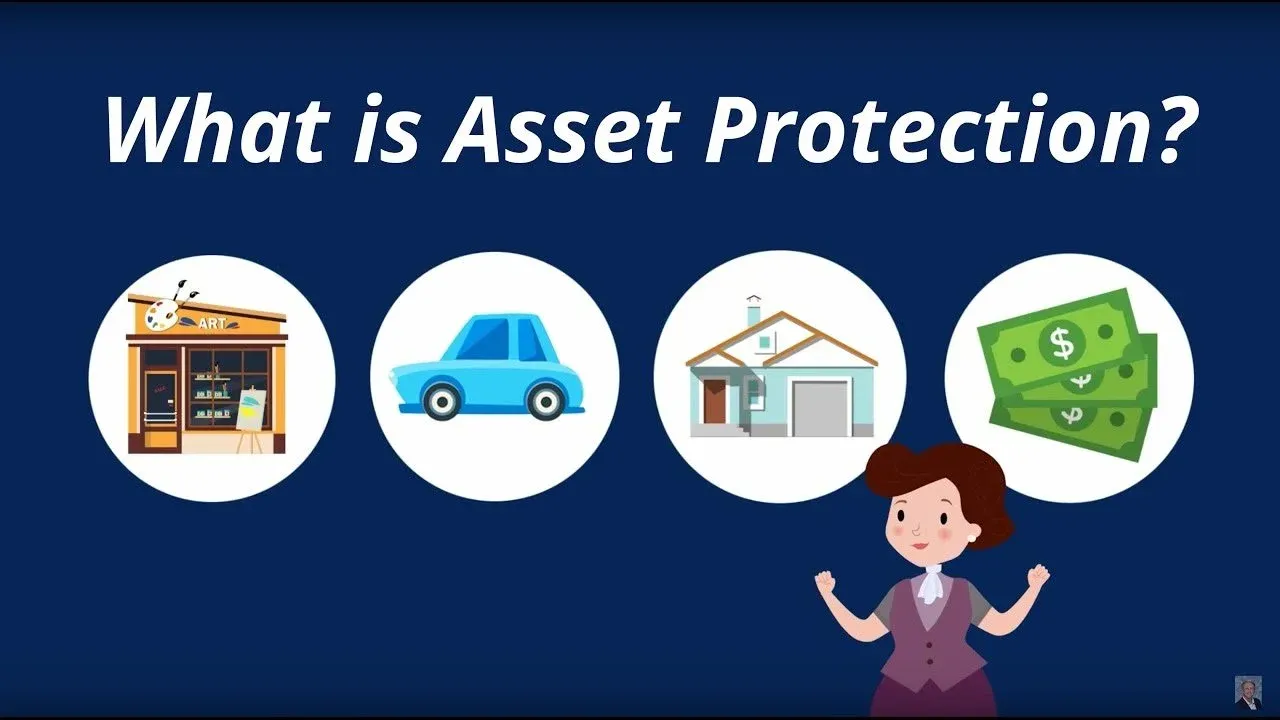

What is Asset Protection? Strategies for Australian Business Owners

Asset protection is the practice of safeguarding the value of one's assets from potential threats such as legal action, bankruptcy, and financial hardship. Asset protection is the adoption of strategies to guard one's wealth. Asset protection is a component of legal & financial planning intended to protect one's assets from creditor claims.
Individuals and business entities use asset protection techniques to limit creditors' access to certain valuable assets while operating within the bounds of debtor-creditor law. Protecting your assets means putting in place legal strategies that will safeguard your wealth in the unfortunate event of a lawsuit or creditor claims.

How to Use & Disclose Personal Information under the Privacy Act

APP entities must ensure that they comply with all requirements relating to the use and disclosure of personal information.
The use of personal information occurs when an APP entity handles and manages that information within the entity’s effective control. This includes accessing and reading personal information, making a decision based on personal information and passing personal information from one part of the entity to another.

What is Data & How is it Protected Under Australian Law?

'Data’ can be broadly defined as any information that has been reduced to characters, words, numbers, images, sound or video. Data can be collected to form 'datasets', a collection or record of data organised according to a common context or criteria. 

Data can be categorised according to the nature of the information it contains, for example, health data, personal data, research data, business data and consumer data. 

The amount of data created globally is growing at an exponential rate. Data can be a major source of value for businesses in an economic sense, and valuable to individuals on privacy grounds. 

How to Use Confidentiality Agreements to Protect Business Negotiations

Confidentiality Agreements are frequently entered into to protect the disclosure of confidential information during negotiations for the sale of a business, for the purposes of a partnership or joint venture, when engaging an external consultant and in employment contracts.

Whilst the confidential information disclosed in these scenarios may be protected by general law (equity), it is often preferable to require recipients of confidential information to enter into Confidentiality Agreements before receipt so that:

  • the recipient is prevented from claiming that the disclosed information is not confidential;

  • the identity and scope of the confidential information, as well as any exceptions to the obligation of confidentiality, are clearly defined; and

  • contractual rights and obligations, beyond the protections afforded by general law, are created.

How do Guarantees & Indemnities Differ in Commercial Contracts?

A contracting party can seek to reduce its possible exposure for loss caused by breach of contract by requiring the other party or a third party to provide contractual promises in the form of guarantees or indemnities.

While they are common contractual clauses, particularly in commercial bargains, guarantees and indemnities are subject to special rules of interpretation and need to be drafted carefully.

Guarantees and indemnities can be used separately or together, and can also be used with other risk allocation clauses such as liquidated damages, exclusion, warranty and insurance clauses.

How to Use Warranties & Indemnities in a Business Purchase

One of the principal ways in which a buyer will seek to protect itself in a transaction is by requiring the seller to provide warranties about the business in the business purchase agreement. If it later transpires that the warranty was inaccurate and this causes the buyer loss, the buyer may have remedies against the seller.
The buyer can also seek to include a requirement that the seller indemnify it against any losses the buyer sustains as a result of a breach by the seller of a warranty or other provision of the agreement.